
When we talk about the design of educational space, we usually think first of the classroom. However, other areas such as corridors, hallways, lobbies and common spaces are also an essential part of the school environment. Although often perceived only as places of passage, these areas have enormous potential to enrich the academic and social experience of students if they are furnished with appropriate school furniture and a functional approach.
With a more creative approach, corridors and common areas can be transformed from mere transit spaces to places of rest, interaction, study or inspiration. To ignore their design is to waste valuable square metres that could make a real difference to daily well-being and learning.
Useful, comfortable and stimulating communal spaces
Good design can transform the daily experience of students. Common spaces, when equipped with comfortable and functional furnishings, invite pause, encourage collaboration and promote well-being. It is not just about aesthetics: they can also contribute to academic performance, reduce stress and strengthen the sense of community.
Moreover, these spaces play a particularly important role at key ages such as adolescence, when students seek moments of disconnection, privacy or conversation away from the more formal classroom environment. Setting up break-out or informal study areas in corridors or open areas can provide a needed respite between classes, a corner to review notes or a place to socialise in a more natural, unpressured way.
In the end, these well-designed spaces encourage autonomy, creativity and responsibility, as they allow students to better manage their time and the way they interact with the educational environment.
School furniture that multiplies possibilities
The key to transforming common spaces lies in choosing versatile, durable school furniture that is adaptable to the different dynamics of the school. It is not just a matter of adding furniture, but of creating functional micro-spaces that respond to different moments of the school day: rest, study, socialising or transition between classes.
Some effective solutions for fitting out these environments are:
• Lockers and cupboards
They are essential for maintaining order, promoting pupils’ autonomy and reducing the physical overload involved in carrying material throughout the day.
• Modular benches and sofas
They allow the configuration of rest, conversation or waiting areas. As they are modular, they adapt easily to the size and shape of the space, and can be reconfigured as required.
• Individual desks
They create study or revision corners that encourage concentration. They can be placed in larger passageways or in entrances with little use in order to make the most of every square metre.
• Acoustic partition panels or shelves
They help to delimit areas without the need for building work or permanent barriers, allowing a more fluid distribution of space and improving acoustics.
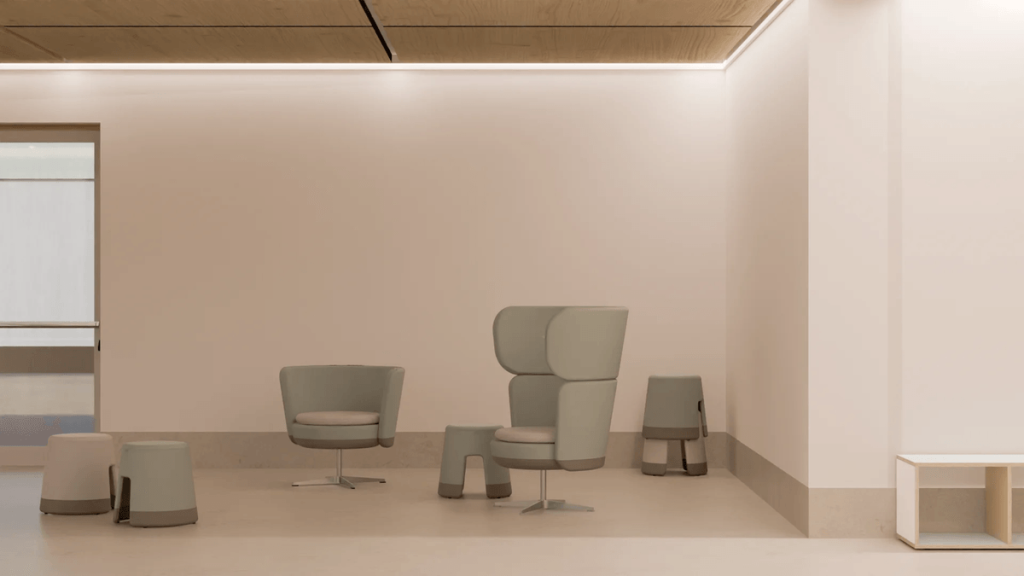
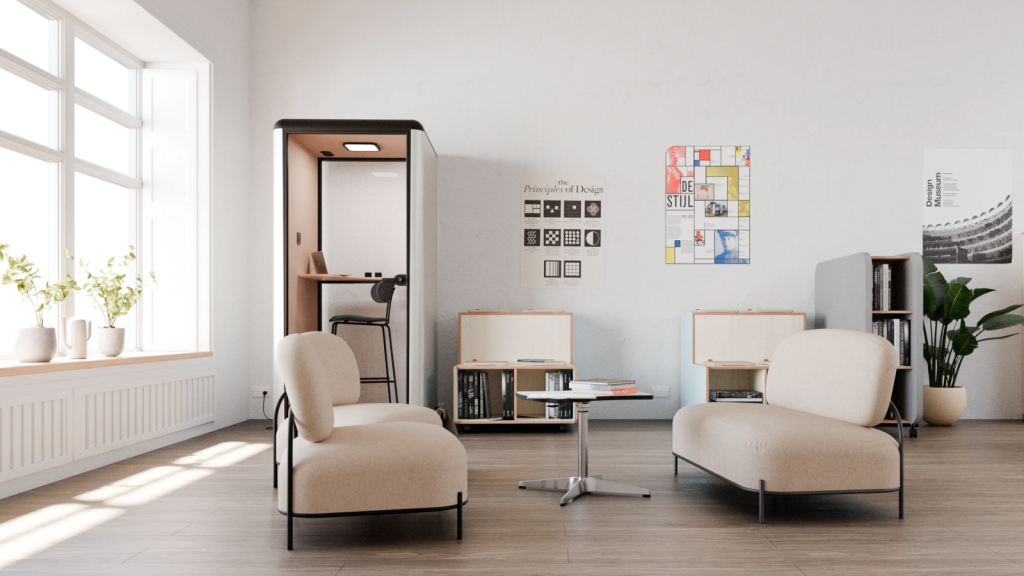
Beyond its usefulness, furniture also has a symbolic and aesthetic value: it contributes to building a visual identity consistent with the values of the centre. A good choice of materials, shapes and colours can turn even corridors into welcoming, dynamic and stimulating spaces.
Having the right furniture not only improves the organisation and use of space; it also has a direct impact on the educational experience. It promotes concentration, autonomy, positive interaction and the general well-being of the whole school community.
Investing in furniture designed to accompany the different dynamics of the school day is a strategic decision. It means committing to a more inclusive, flexible education that is aligned with the challenges of the present. Designing versatile, welcoming spaces that are coherent with the school’s educational project is, without a doubt, a way of multiplying the possibilities for learning, coexistence and personal development.
A new look at the school of the future
Designing beyond the classroom is a commitment to a more human, dynamic school, focused on the real needs of the students. Providing functionality and comfort to the corridors and common areas not only improves the aesthetics of the school, but also contributes to well-being, concentration and coexistence.
At Mirplay Schoolwe believe that every corner counts, and that is why we design school furniture with the premise that each piece should be practical, but also an opportunity for learning and well-being.

